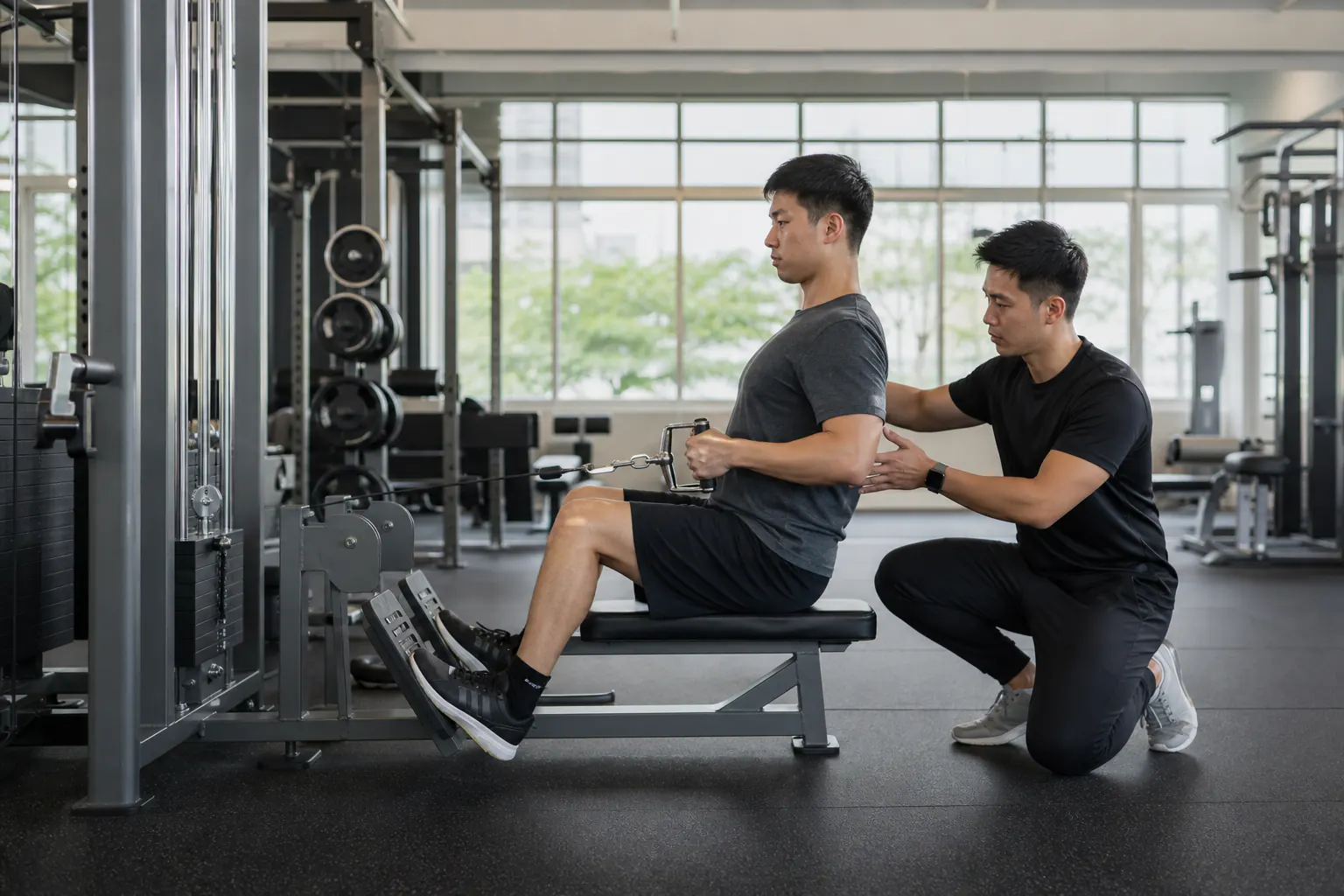
Complete guide to proper deadlift form and technique. Learn setup, execution, and common mistakes to avoid for safer, stronger deadlifts in Malaysia.
Why the Deadlift Matters
The deadlift is often called the king of all exercises, and for good reason. It works virtually every muscle in your body, from your legs and back to your grip and core. Whether you are training at a commercial gym in KL or a neighbourhood gym in Ipoh, the deadlift should be a cornerstone of your training programme.
For Malaysians who spend long hours sitting at desks or commuting through traffic jams on the LDP or NKVE, the deadlift can be a powerful tool for correcting postural imbalances and building a resilient lower back. But only if you do it right. Poor form is the fastest route to injury, and nobody wants to be sidelined when there are hiking trails in Bukit Kiara waiting to be conquered.
The Conventional Deadlift Setup
Getting your setup right is ninety percent of the battle. Here is how to nail it every single time.
Step 1: Foot Position
Stand with your feet roughly hip-width apart. The barbell should be over the middle of your foot, about an inch from your shins. Many lifters in Malaysian gyms make the mistake of standing too far from the bar, which shifts the load forward and puts unnecessary stress on the lower back.
Step 2: The Grip
Hinge at your hips and bend your knees until you can reach the bar. Grip it just outside your knees with either a double overhand grip or a mixed grip. For beginners, stick with double overhand to build balanced grip strength. Your arms should hang straight down like ropes.
Step 3: Hip Position
Your hips should be higher than your knees but lower than your shoulders. Think of your body as a wedge. A common error is squatting the deadlift by dropping the hips too low, which turns the movement into an inefficient hybrid. Your hip position is determined by your proportions, so do not try to copy someone else's setup exactly.
Step 4: Brace and Engage
Take a deep breath into your belly, brace your core as if someone is about to punch you in the stomach, and pull the slack out of the bar. You should feel tension through your entire body before the bar leaves the floor. Engage your lats by thinking about tucking your shoulder blades into your back pockets.
Executing the Lift
Now that your setup is dialled in, it is time to pull.
The Pull Off the Floor
Push the floor away with your legs while simultaneously pulling the bar close to your body. The bar should travel in a straight vertical line. Keep your chest proud and your back in a neutral position. Do not let your hips shoot up faster than your shoulders, as this turns the movement into a stiff-legged deadlift and overloads your lower back.
The Lockout
As the bar passes your knees, drive your hips forward to stand tall. Squeeze your glutes at the top and stand in a straight line from head to toe. Avoid hyperextending your lower back or leaning back excessively. The lockout should feel strong and controlled, not dramatic.
The Descent
Lower the bar by pushing your hips back first, then bending your knees once the bar passes them. Control the descent. Do not just drop the bar unless you are training at a gym with proper platforms and bumper plates. Many gyms in Malaysia have standard iron plates on hard floors, so a controlled descent protects both the equipment and your fellow gym members.
Common Deadlift Mistakes to Avoid
Rounding the Lower Back
This is the number one mistake and the primary cause of deadlift-related injuries. If you cannot maintain a neutral spine, the weight is too heavy. Check your ego at the door and reduce the load. Film yourself from the side to check your back position.
Jerking the Bar
Yanking the bar off the floor with your arms creates a sudden spike of force that can strain your biceps or lower back. Build tension gradually and let the pull be smooth and deliberate.
Bar Drifting Forward
If the bar moves away from your body, you lose leverage and put excessive stress on your back. The bar should stay in contact with your legs throughout the movement. Wearing long socks or tracksuit bottoms can protect your shins from scraping.
Looking Up
Some lifters crane their neck up during the pull. This puts your cervical spine in a compromised position. Keep your head neutral by looking at a spot on the floor a few metres ahead of you.
Deadlift Variations Worth Trying
Once you have mastered the conventional deadlift, consider incorporating these variations to target different muscle groups and address weaknesses.
Sumo Deadlift
This wider stance variation places more emphasis on the inner thighs and quads. It can be a better option for lifters with longer torsos and shorter arms, which is a common body type among Malaysian lifters.
Romanian Deadlift
The RDL starts from the top position and focuses on the eccentric phase. It is one of the best exercises for building stronger hamstrings and glutes, and it teaches the hip hinge pattern beautifully.
Trap Bar Deadlift
If your gym has a trap bar or hex bar, this variation is more forgiving on the lower back and can be a great option for beginners or those coming back from a back injury. More commercial gyms in KL and Penang are stocking these now.
Deficit Deadlift
Standing on a low platform increases the range of motion and builds strength off the floor. Use a 2 to 4 inch elevation and reduce the weight by ten to fifteen percent compared to your regular deadlift.
Programming Your Deadlift
For beginners, deadlifting once or twice per week with three to five sets of five reps is a solid starting point. Focus on adding small amounts of weight each session. In Malaysia, most gyms have 1.25kg plates that allow for micro-progressions, so take advantage of them.
Intermediate lifters can benefit from varying intensity throughout the week, perhaps one heavy day with lower reps and one lighter day focused on speed or variations. Advanced lifters should consider periodised programming that cycles through accumulation and intensification phases.
Safety Tips for Malaysian Gyms
Always use collars to secure your plates. Ensure the floor surface is stable, as some older gyms may have uneven flooring. If your gym does not have a dedicated deadlift platform, use rubber mats to protect the floor and dampen noise. Be mindful of the space around you, especially during peak hours when gyms in Bangsar or Mont Kiara can get crowded.
Final Thoughts
The deadlift is a skill that takes time to develop. Do not rush the process. Start with lighter weights, perfect your form, and build up progressively. Consider working with a qualified personal trainer for your first few sessions to get personalised feedback on your technique.
Part of our comprehensive guide:
The Complete Guide to Personal Training Methods in Malaysia→Also in this series:
Related Articles
Find a Personal Trainer
Ready to put this into practice? Connect with a certified personal trainer near you, or explore by service and goal.