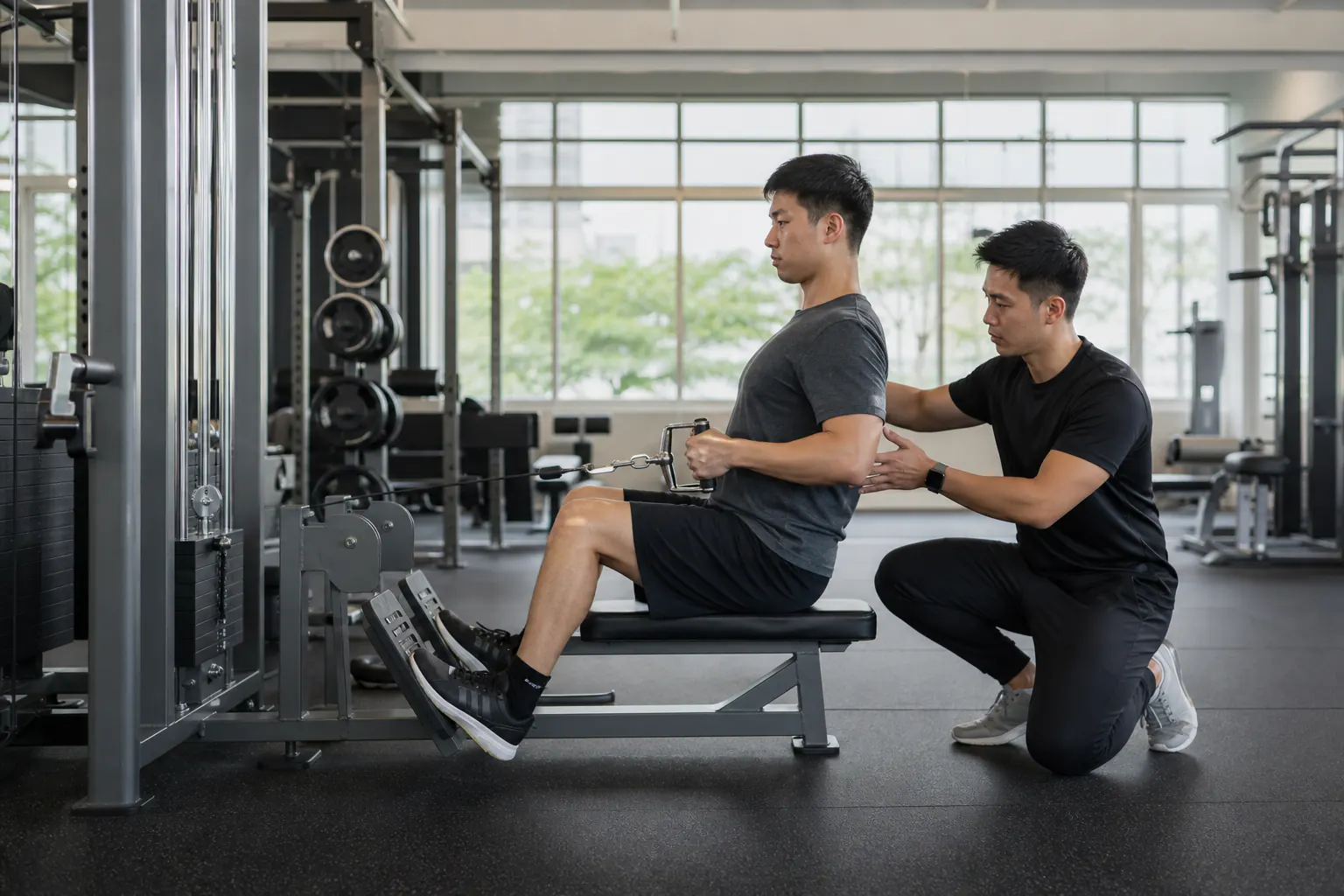
Understand when to use static vs dynamic stretching for optimal results. Evidence-based stretching guide for Malaysian athletes and gym goers.
The Stretching Confusion
Stretching seems straightforward, but the advice around it has shifted dramatically over the past two decades. Older fitness enthusiasts may remember being told to hold static stretches before every workout. Today, many coaches discourage static stretching before training entirely. Meanwhile, dynamic stretching has become the warm-up method of choice for athletes and coaches worldwide.
The confusion stems from conflating two different types of stretching that serve different purposes and are best used at different times. Neither is inherently better than the other. Understanding when and how to use each type will help you warm up more effectively, recover better, and reduce your injury risk.
What Is Static Stretching?
Static stretching involves holding a muscle in a lengthened position for a sustained period, typically fifteen to sixty seconds. You stretch to the point of mild discomfort, hold still, and breathe. Classic examples include the standing quad stretch, the seated hamstring stretch, and the doorway chest stretch.
This is the stretching most people grew up doing in school physical education classes across Malaysia. Hold the position, count to thirty, switch sides.
Benefits of Static Stretching
Increased flexibility over time. Regular static stretching is the most effective method for increasing long-term flexibility and range of motion. If your goal is to become more flexible, such as achieving a full split or touching your toes, static stretching is your primary tool.
Reduced muscle tension. After training, your muscles are tight and shortened from repeated contraction. Static stretching helps restore their resting length, reducing the sensation of tightness and discomfort.
Relaxation and recovery. The slow, controlled nature of static stretching activates the parasympathetic nervous system, promoting relaxation and calming the body after intense exercise. This makes it ideal for cool-down routines.
Improved circulation. Holding a stretch increases blood flow to the stretched muscle, which supports nutrient delivery and waste removal during recovery.
The Catch: Before Exercise
Here is where the research has been clear: static stretching immediately before strength or power activities can temporarily reduce performance. Studies have shown reductions of up to five percent in strength and power output following prolonged static stretching. This occurs because static stretching reduces muscle stiffness, and a certain degree of stiffness is actually needed for explosive force production.
For a powerlifter about to attempt a heavy squat or a sprinter about to race, this reduction matters. For someone doing a moderate gym session or a recreational jog, the practical impact is minimal. The key word is context.
What Is Dynamic Stretching?
Dynamic stretching involves moving your joints and muscles through their full range of motion in a controlled, repetitive manner. Instead of holding a position, you actively move in and out of a stretch. Examples include leg swings, arm circles, walking lunges, high knees, and torso rotations.
Dynamic stretching is both a warm-up and a stretching method. It prepares the body for movement by raising body temperature, increasing blood flow, activating the nervous system, and rehearsing the movement patterns you are about to perform.
Benefits of Dynamic Stretching
Increased muscle temperature. Dynamic movements generate heat within the muscles, making them more pliable and responsive. This is especially valuable in Malaysia where, despite the warm ambient temperature, muscles that have been inactive during long desk hours can still be stiff.
Enhanced nervous system activation. Dynamic stretching primes your neuromuscular system for action. It increases nerve conduction velocity and prepares the muscles to contract forcefully and rapidly.
Improved performance. Unlike static stretching, dynamic stretching has been shown to improve power output, sprint times, and jump height when performed before exercise. This is why virtually every professional sports team in the world now uses dynamic stretching as part of their warm-up.
Rehearsal of movement patterns. Dynamic stretches can mimic the movements you are about to perform. Walking lunges before squatting, arm circles before bench pressing, and leg swings before running all prepare the specific muscles and joints for the work ahead.
When to Use Each Type
Before Exercise: Dynamic Stretching
The evidence strongly supports dynamic stretching as part of your pre-exercise warm-up. Here is a sample dynamic warm-up routine suitable for a general gym session:
- Arm circles: 10 forward, 10 backward
- Leg swings (front to back): 10 per leg
- Leg swings (side to side): 10 per leg
- Walking lunges: 10 per leg
- High knees: 20 total
- Torso rotations: 10 per side
- Bodyweight squats: 10 reps
- Inchworms: 5 reps
This takes five to seven minutes and prepares your entire body for training. For sport-specific warm-ups, add movements that mimic the demands of your activity. Runners should include dynamic calf stretches and hip circles. Badminton players should add shoulder rotations and lateral shuffles.
After Exercise: Static Stretching
The post-workout period is when static stretching shines. Your muscles are warm, pliable, and primed for lengthening. A five to ten minute static stretching routine after training helps reduce muscle tension, initiates the recovery process, and provides a mental transition from intense exercise to normal activity.
A sample post-workout static stretching routine:
- Standing quad stretch: 30 seconds per side
- Standing calf stretch: 30 seconds per side
- Hip flexor stretch (lunge position): 30 seconds per side
- Hamstring stretch (standing toe touch or seated): 30 seconds per side
- Chest doorway stretch: 30 seconds
- Upper back stretch (cross-body arm pull): 30 seconds per side
- Neck tilts: 15 seconds per side
Dedicated Flexibility Sessions
If improving flexibility is a specific goal, schedule separate stretching sessions rather than relying solely on post-workout stretching. These sessions can include longer static holds of thirty to sixty seconds, multiple sets per stretch, and techniques like PNF (proprioceptive neuromuscular facilitation) stretching for faster progress.
Perform dedicated flexibility work on rest days or at least four hours after training so it does not interfere with your strength sessions. Many Malaysian yoga studios offer flexibility-focused classes that can serve this purpose.
Common Stretching Mistakes
Stretching Cold Muscles Statically
Static stretching cold muscles is less effective and carries a higher risk of strain. If you want to static stretch outside of a post-workout context, perform at least five minutes of light activity first to raise your body temperature.
Bouncing During Static Stretches
Bouncing or pulsing at the end range of a static stretch, known as ballistic stretching, can trigger the stretch reflex and cause the muscle to contract rather than relax. Hold positions smoothly and steadily.
Stretching Into Pain
Stretching should produce a sensation of mild discomfort or tension, not pain. Pushing into painful ranges can cause muscle tears and setbacks. In Malaysia's warm climate, muscles are often more pliable, which can tempt people to stretch too aggressively.
Skipping the Warm-Up Entirely
Some people skip both stretching and warm-up entirely, going straight from sitting at a desk to lifting heavy weights. This is a recipe for injury. Even a brief three to five minute dynamic warm-up significantly reduces injury risk.
Holding Static Stretches Too Briefly
A ten-second stretch does very little. Research indicates that thirty seconds is the minimum effective hold time for static stretches, with sixty seconds being optimal for most muscles.
Sport-Specific Considerations
Runners
Before running: dynamic leg swings, walking lunges, high knees, butt kicks. After running: static stretches for calves, hamstrings, hip flexors, quads, and IT band.
Gym Training (Weights)
Before lifting: dynamic arm circles, leg swings, torso rotations, light sets of the first exercise. After lifting: static stretches targeting the muscles trained that day.
Badminton and Racquet Sports
Before playing: dynamic shoulder rotations, lateral shuffles, lunges with rotation, wrist circles. After playing: static stretches for shoulders, forearms, hip flexors, and calves.
Final Thoughts
Static and dynamic stretching are complementary tools, not competitors. Dynamic stretching before exercise prepares your body for performance. Static stretching after exercise supports recovery and long-term flexibility. Use both strategically, and your body will move better, recover faster, and stay injury-free longer. The best stretching routine is one you actually do consistently, so keep it simple and make it a non-negotiable part of every training session.
Part of our comprehensive guide:
The Complete Guide to Personal Training Methods in Malaysia→Also in this series:
Related Articles
Find a Personal Trainer
Ready to put this into practice? Connect with a certified personal trainer near you, or explore by service and goal.