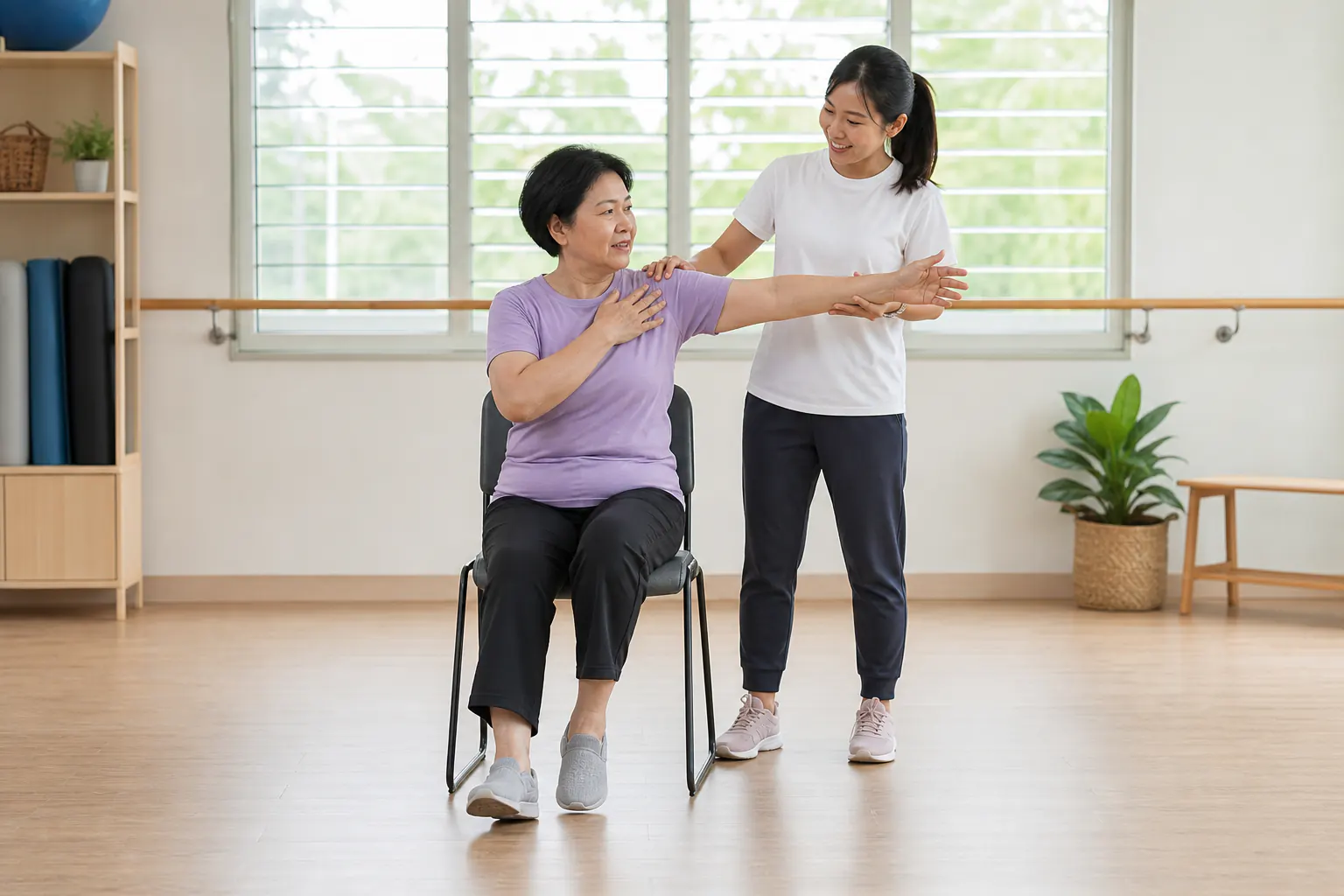
Yoga for lifters improves flexibility, recovery, and lifting performance. A Malaysian coach shares the best yoga poses and routines for gym-goers.
Most lifters treat flexibility like flossing - they know they should do it, they feel guilty about not doing it, and they convince themselves they'll start next week. Every week. For years.
I get it. After a heavy squat session at the gym, the last thing you want to do is hold a pigeon pose for two minutes. But the lifters who add yoga or dedicated flexibility work to their programme consistently outperform those who don't, and they stay injury-free longer.
I'm not suggesting you become a full-time yogi. I'm saying that 15-20 minutes of targeted yoga work, two to three times per week, will make you stronger, reduce injury risk, and improve your quality of life outside the gym.
Why Lifters Need Flexibility Work
Better Squat Depth
Limited ankle dorsiflexion and hip mobility are the two biggest reasons people can't squat to depth. Their heels come up, their knees cave in, or their lower back rounds. Yoga poses that target these areas - specifically ankle stretches, hip openers, and deep squat holds - directly improve your squat mechanics.
I had a client in Subang Jaya who could barely hit parallel on his back squat despite a year of training. After 8 weeks of adding a 15-minute yoga routine three times per week, he was hitting below-parallel squats comfortably. No technique changes - just better tissue flexibility.
Improved Overhead Position
Overhead press, snatches, and even lat pulldowns require thoracic spine extension and shoulder flexibility. Lifters who sit at desks all day (most Malaysians) develop rounded upper backs and internally rotated shoulders. This limits overhead range of motion and puts excessive stress on the shoulder joint.
Yoga poses that open the chest and thoracic spine - like thread the needle, puppy pose, and cobra - restore the overhead position that desk work takes away.
Reduced Injury Risk
Tight muscles and restricted joints create compensatory movement patterns. When your hip flexors are tight, your lower back picks up the slack during deadlifts. When your pecs are tight, your shoulders take the brunt during bench press. Over time, these compensations lead to strains, impingements, and chronic pain.
Regular flexibility work addresses these restrictions before they become injuries.
Faster Recovery Between Sessions
Gentle yoga promotes blood flow to muscles without creating additional damage. A light yoga session on a rest day can reduce perceived muscle soreness and improve readiness for the next training session. It's active recovery at its best.
The 10 Best Yoga Poses for Lifters
1. Pigeon Pose (Hip Flexors and Glutes)
From a push-up position, bring your right knee forward behind your right wrist. Extend your left leg behind you. Sink your hips toward the floor. Hold 60-90 seconds per side.
Why lifters need it: Opens hip external rotation and stretches the hip flexors - both critical for squat and deadlift performance.
2. Downward Dog (Hamstrings, Calves, Shoulders)
Hands and feet on the floor, hips pushed high to form an inverted V. Press your heels toward the ground and push your chest toward your thighs. Hold 45-60 seconds.
Why lifters need it: Stretches the entire posterior chain. Also decompresses the spine after heavy loading.
3. Deep Squat Hold / Malasana (Hips, Ankles, Lower Back)
Feet slightly wider than hip-width, squat all the way down. Elbows inside your knees, palms together. Hold 60-120 seconds.
Why lifters need it: Directly improves squat mobility. The Asian squat position (which many modern Malaysians have lost the ability to do comfortably) is the single best mobility drill for squatting.
4. Thread the Needle (Thoracic Spine)
Start on all fours. Reach your right arm under your body toward the left, rotating your torso. Your right shoulder and head rest on the floor. Hold 45-60 seconds per side.
Why lifters need it: Opens the thoracic spine for overhead movements and bench press arch.
5. Puppy Pose (Shoulders, Lats, Thoracic Spine)
From all fours, walk your hands forward while keeping your hips above your knees. Let your chest sink toward the floor. Hold 60 seconds.
Why lifters need it: Stretches the lats and opens the shoulders - essential for overhead pressing and front rack position.
6. Lizard Pose (Hip Flexors, Groin)
From a lunge position, place both hands inside your front foot. Drop your back knee to the floor. Sink your hips forward and down. Hold 60-90 seconds per side.
Why lifters need it: Deep hip flexor stretch that addresses tightness from sitting. Improves lunge mechanics and squat depth.
7. Cobra Pose (Chest, Abs, Hip Flexors)
Lie face down, hands under shoulders. Press up, extending your spine and opening your chest. Keep your hips on the ground. Hold 30-45 seconds.
Why lifters need it: Counteracts the flexed position of deadlifts, rows, and desk work. Opens the chest for better bench press positioning.
8. Supine Spinal Twist (Lower Back, Obliques)
Lie on your back. Pull one knee to your chest, then guide it across your body toward the opposite side. Both shoulders stay on the floor. Hold 60 seconds per side.
Why lifters need it: Releases lower back tension after heavy squats and deadlifts. Gentle spinal rotation that many lifters never do.
9. Cat-Cow (Spinal Mobility)
On all fours, alternate between arching your back (cow - belly drops, head looks up) and rounding your back (cat - spine pushes up, head drops). 10-15 slow repetitions.
Why lifters need it: Warms up the spine and promotes segmental mobility. Great pre-workout or on rest days.
10. Standing Forward Fold (Hamstrings, Lower Back)
Stand with feet hip-width apart. Bend forward at the hips, letting your upper body hang. Grab opposite elbows and let gravity do the work. Hold 45-60 seconds.
Why lifters need it: Passive hamstring stretch and spinal decompression. Perfect after deadlifts.
A 15-Minute Yoga Routine for Lifters
Do this 2-3 times per week - on rest days, after training, or in the morning.
- Cat-Cow - 10 reps (1 minute)
- Downward Dog - 45 seconds
- Lizard Pose - 60 seconds per side (2 minutes)
- Pigeon Pose - 60 seconds per side (2 minutes)
- Deep Squat Hold - 90 seconds
- Thread the Needle - 45 seconds per side (90 seconds)
- Puppy Pose - 60 seconds
- Cobra - 30 seconds
- Supine Spinal Twist - 45 seconds per side (90 seconds)
- Standing Forward Fold - 60 seconds
Total: approximately 15 minutes.
Yoga Classes for Lifters in Malaysia
If you prefer guided classes:
- Hot yoga studios (like Bikram or similar) - be careful. The heat can make you feel more flexible than you actually are, increasing injury risk. Also dehydrating in Malaysia's already warm climate.
- Yin yoga - slow, long holds (3-5 minutes per pose). Excellent for lifters. Targets connective tissue and deep fascia.
- Vinyasa/Flow yoga - more dynamic, involves strength elements. Good for active recovery days.
- Hatha yoga - traditional, slower-paced. Good introduction for beginners.
Many gyms (Celebrity Fitness, Fitness First) include yoga classes in their membership. Some commercial yoga studios in KL - like Yoga Inc, Updog Studio, and Flyproject - offer classes starting around RM30-60 per drop-in session or RM200-400 for monthly unlimited.
YouTube is also a legitimate option. Channels like Yoga With Adriene have free routines specifically for athletes and mobility.
Common Objections From Lifters
"I'm too stiff for yoga"
That's exactly why you need it. Saying you're too stiff for yoga is like saying you're too dirty to shower. The stiffness is the reason to start, not the reason to avoid it.
"It's too slow and boring"
A 15-minute routine isn't asking much. You spend more time scrolling Instagram between sets. Put on a podcast, hold the poses, and you're done.
"Stretching will make me weaker"
Static stretching immediately before heavy lifting can temporarily reduce force production by 2-5%. That's why you don't do deep stretching right before max effort work. But yoga on rest days or after training? It improves strength over time by allowing you to train through greater ranges of motion with better mechanics.
"Real men don't do yoga"
The strongest athletes in the world - rugby players, NFL linemen, MMA fighters - incorporate yoga and flexibility work. If a 120kg rugby player can do pigeon pose, so can you.
Start Small, Stay Consistent
You don't need to attend a 90-minute yoga class or become impossibly flexible. Fifteen minutes of targeted poses, three times per week, will produce noticeable improvements in your lifting performance within 4-6 weeks. Your squat will feel smoother. Your overhead press will feel stronger. Your lower back will hurt less after deadlifts.
That's a massive return on a small time investment. Stop skipping it.
Part of our comprehensive guide:
Recovery and Injury Prevention: Build Durability Into Your Training→Also in this series:
Related Articles
Find a Personal Trainer
Ready to put this into practice? Connect with a certified personal trainer near you, or explore by service and goal.