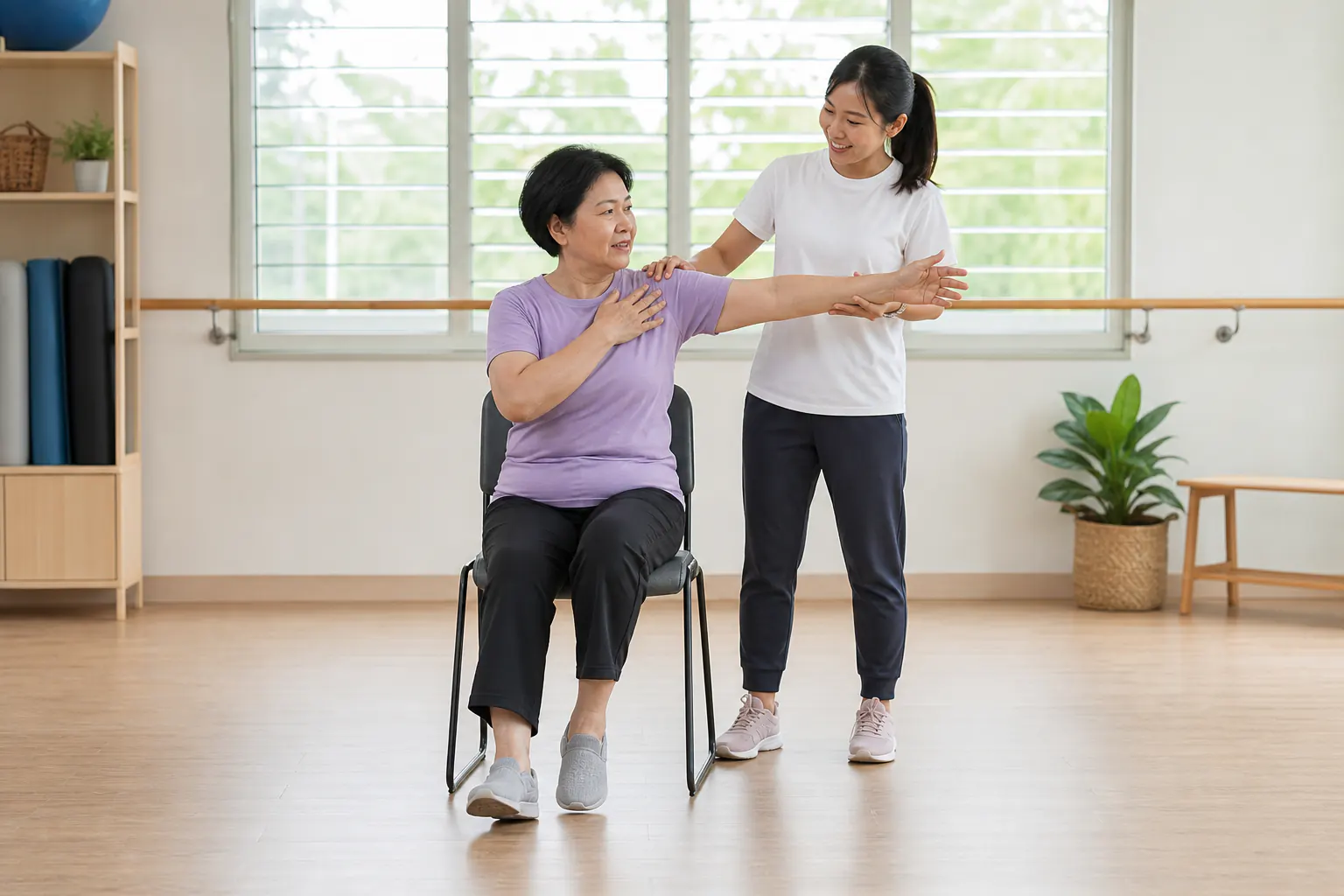
Comprehensive guide to sports massage benefits for athletes. Learn what to expect and how to find quality sports massage services in Malaysia.
What Is Sports Massage?
Sports massage is a targeted form of massage therapy designed to address the specific needs of athletes and physically active individuals. Unlike a relaxing spa massage where the primary goal is stress relief, sports massage aims to improve performance, accelerate recovery, prevent injury, and treat musculoskeletal dysfunction.
In Malaysia, the sports massage industry has grown significantly alongside the fitness boom. You can find sports massage therapists at physiotherapy clinics, dedicated sports therapy centres, premium gyms, and standalone massage businesses across KL, Penang, JB, and other major cities. But understanding what sports massage actually does, how it differs from other massage types, and when to use it will help you get the most value from your sessions.
How Sports Massage Differs from Regular Massage
While all massage involves manual manipulation of soft tissue, sports massage is distinguished by several key characteristics.
Purpose-Driven Approach
A regular massage therapist might work your entire body using a standardised routine. A sports massage therapist assesses your specific needs based on your training, sport, injury history, and current symptoms, then applies targeted techniques to address those specific issues. If you are a runner with tight calves and IT bands, the therapist will focus heavily on those areas rather than giving equal time to your whole body.
Deeper and More Specific Techniques
Sports massage typically involves deeper pressure and more specific techniques than a relaxation massage. The therapist may use deep tissue work, trigger point therapy, myofascial release, and cross-fibre friction to address adhesions, knots, and areas of restriction. Some techniques can be uncomfortable during the session, though they should never be excruciating.
Timing Around Training
Sports massage is strategically timed around your training schedule. Pre-event massage is light and stimulating to prepare muscles for activity. Post-event massage is focused on flushing metabolic waste and promoting recovery. Maintenance massage is deeper and addresses chronic issues. The timing and approach differ significantly based on when the session occurs relative to your training or competition.
Benefits of Sports Massage
Improved Recovery
Sports massage accelerates recovery by increasing blood flow to muscles, which delivers oxygen and nutrients while removing waste products like lactate. Multiple studies have shown reduced markers of muscle damage and decreased delayed onset muscle soreness (DOMS) following sports massage.
For Malaysian athletes training in the heat, where recovery demands are already elevated, this enhanced recovery can make a meaningful difference in training consistency and quality.
Increased Range of Motion
Tight muscles restrict joint movement, limiting your performance and increasing injury risk. Sports massage addresses muscular tightness and fascial restrictions that stretching alone may not resolve. Many athletes report immediate improvements in flexibility and range of motion following a session.
Injury Prevention
Regular sports massage identifies and addresses tight spots, adhesions, and areas of imbalanced tension before they develop into full-blown injuries. The therapist can often detect problems you are not yet aware of, providing an early warning system for potential issues.
Pain Reduction
For athletes dealing with chronic pain from overuse injuries, sports massage can provide significant relief. Trigger point therapy, in particular, is effective for referred pain patterns where the source of pain is different from where you feel it. That persistent shoulder pain might actually be originating from a trigger point in your upper trapezius or subscapularis.
Reduced Muscle Tension
Heavy training creates persistent muscle tension that rest alone may not fully resolve. Over time, this tension leads to reduced range of motion, altered movement patterns, and eventual injury. Regular sports massage breaks this cycle by mechanically releasing tension in the muscles and fascia.
Psychological Benefits
The reduction in pain and tension, combined with the therapeutic touch itself, has measurable psychological benefits. Reduced anxiety, improved sleep, and enhanced sense of well-being are commonly reported outcomes. For athletes dealing with the mental stress of training and competition, this psychological relief is valuable.
Types of Sports Massage Techniques
Deep Tissue Massage
Slow, firm strokes that reach the deeper layers of muscle and fascia. Effective for chronic tension and adhesions. Can be uncomfortable but should be manageable. Communicate with your therapist about pressure levels.
Trigger Point Therapy
Sustained pressure applied to specific points of tension within the muscle. These trigger points, commonly called knots, can cause referred pain in other areas of the body. Pressure is held for thirty to ninety seconds until the trigger point releases.
Myofascial Release
Gentle sustained pressure applied to the fascia, the connective tissue that surrounds all muscles and organs. Fascial restrictions can cause pain and limited range of motion that traditional massage techniques may not address. Myofascial release is slower and less aggressive than deep tissue work.
Cross-Fibre Friction
Short, firm strokes applied across the grain of the muscle or tendon. This technique is particularly effective for tendinopathy and scar tissue. It promotes collagen remodelling and improved tissue alignment.
Assisted Stretching
Many sports massage therapists incorporate passive stretching into their sessions. The therapist moves your limbs through ranges of motion while you relax, achieving deeper stretches than you might achieve on your own.
When to Get a Sports Massage
Regular Maintenance
For athletes training consistently, a sports massage every one to two weeks supports ongoing recovery and injury prevention. Even monthly sessions provide meaningful benefit if more frequent appointments are not feasible.
Pre-Competition
A light, stimulating massage one to two days before competition can enhance performance by reducing muscular tension and promoting optimal muscle function. Avoid deep tissue work within 48 hours of competition, as it can temporarily reduce strength and leave muscles tender.
Post-Competition
A gentle flushing massage within 24 to 48 hours of competition accelerates recovery by promoting circulation and reducing DOMS. Keep the pressure lighter than a regular maintenance session.
Injury Rehabilitation
Sports massage is a valuable component of injury rehabilitation. It reduces swelling, breaks down scar tissue, and restores normal muscle function. Work with both your physiotherapist and massage therapist to coordinate treatment.
Finding a Good Sports Massage Therapist in Malaysia
The quality of sports massage therapists in Malaysia varies considerably. Here are criteria to look for:
Qualifications: Look for therapists with formal training in sports massage, physiotherapy, or sports therapy. Certifications from recognised bodies provide assurance of competency.
Experience with athletes: A therapist who regularly works with athletes understands the unique demands of training and can tailor their approach accordingly. Ask about their client base and experience.
Communication skills: A good therapist will ask about your training, injury history, and goals before the session. They should check in during the session about pressure levels and comfort.
Professional environment: The treatment space should be clean, private, and professional. Proper draping and hygiene standards should be maintained throughout.
Cost in Malaysia
Sports massage sessions in Malaysia typically cost between RM80 and RM250 per hour depending on the therapist's experience, qualifications, and location. Premium sports therapy centres in KL may charge more, while established therapists in smaller cities offer competitive rates. Some health insurance plans in Malaysia cover sports massage when prescribed by a doctor.
What to Expect During Your First Session
Before the session: The therapist will ask about your training history, current injuries or pain, and what you hope to achieve from the session. Be honest and specific. Wear comfortable clothing; you may need to undress to your underwear for full-body work, though draping ensures privacy.
During the session: Communicate openly about pressure. Some discomfort is normal during deep tissue work, but sharp pain is not acceptable. The therapist may focus heavily on specific areas rather than covering your entire body. Sessions typically last sixty to ninety minutes.
After the session: You may feel slightly sore for 24 to 48 hours, similar to post-workout soreness. Drink plenty of water, as massage releases metabolic waste from the tissues that needs to be flushed out. Avoid intense training for the rest of the day.
Final Thoughts
Sports massage is a powerful tool for recovery, injury prevention, and performance enhancement. For Malaysian athletes and fitness enthusiasts training regularly, incorporating regular sports massage into your routine is an investment in your long-term health and performance. Find a qualified therapist, establish a regular schedule, and experience the difference that professional soft tissue work can make.
Part of our comprehensive guide:
Recovery and Injury Prevention: Build Durability Into Your Training→Also in this series:
Related Articles
Find a Personal Trainer
Ready to put this into practice? Connect with a certified personal trainer near you, or explore by service and goal.