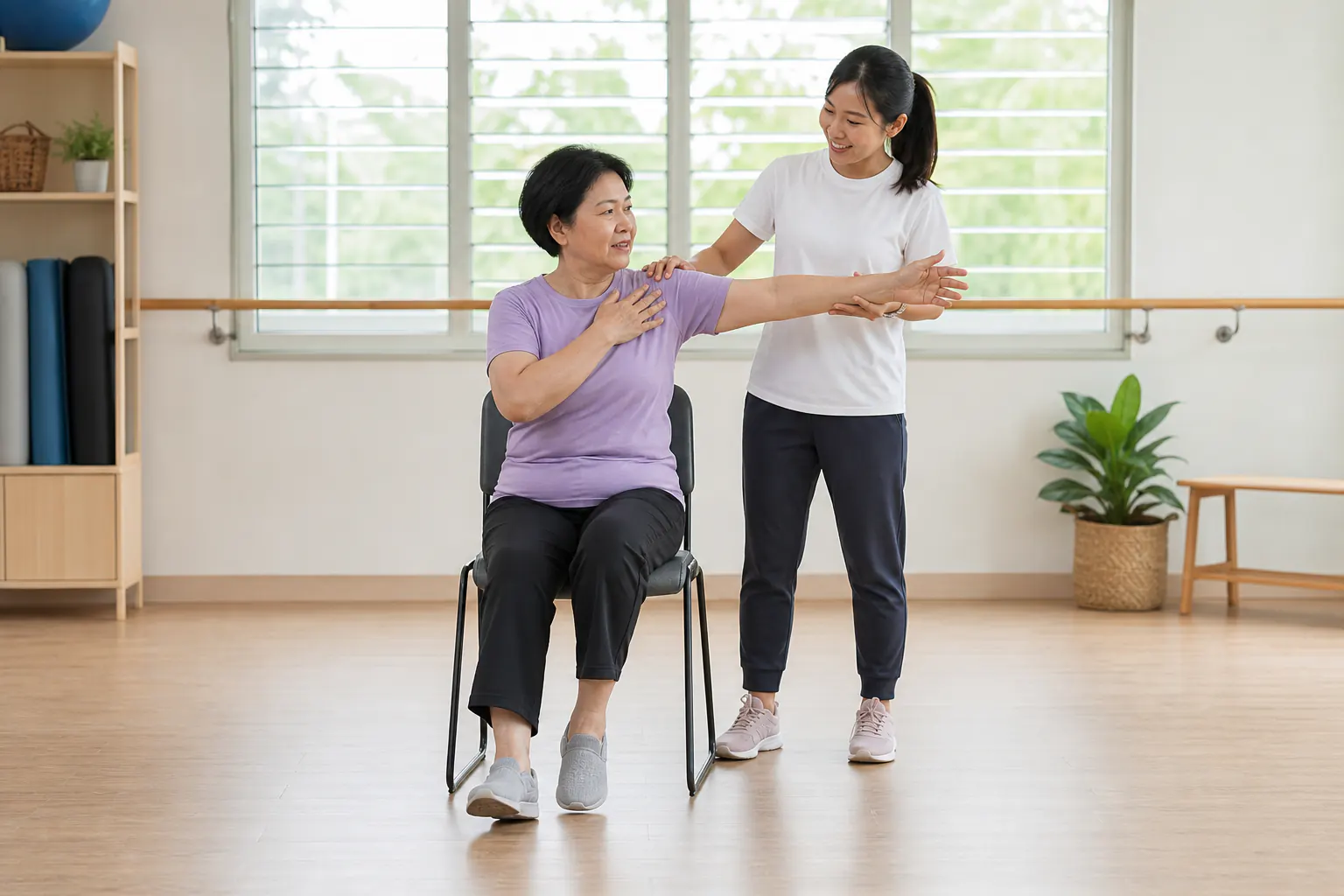
Make the most of your rest days with active recovery activities. Practical recovery day ideas for Malaysian fitness enthusiasts and athletes.
Rest Days Are Not Wasted Days
There is a pervasive mindset in fitness culture that more is always better. If five training days per week is good, then seven must be great, right? Wrong. Your muscles do not grow in the gym. They grow during recovery. Training provides the stimulus, but rest is when the actual repair, adaptation, and strengthening occur.
Many dedicated gym goers across Malaysia struggle with rest days. They feel guilty for not training, anxious about losing progress, or simply bored without their usual workout routine. If this sounds like you, active recovery is the perfect solution. It allows you to stay moving, support your recovery, and maintain your fitness habit without the stress of a full training session.
What Is Active Recovery?
Active recovery involves performing low-intensity physical activities that promote blood flow, reduce muscle soreness, and support the healing process without creating additional training stress. The goal is movement without fatigue. You should finish an active recovery session feeling better than when you started, not more tired.
The key metric is keeping your heart rate below sixty-five percent of your maximum. For most people, this means activities where you can comfortably hold a conversation throughout. If you are breathing heavily or sweating profusely beyond what Malaysia's heat naturally causes, you are probably going too hard.
Active Recovery Activities Perfect for Malaysia
Walking
The simplest and most accessible form of active recovery. A thirty to sixty minute walk at a comfortable pace promotes circulation, aids digestion, and provides a mental break from structured training. Malaysia offers countless walking options, from the air-conditioned comfort of malls like Mid Valley or Pavilion to scenic routes around Tasik Titiwangsa, Taman Botani in Penang, or the Perdana Botanical Gardens in KL.
Morning walks before 8 AM or evening walks after 6 PM are best to avoid the peak heat. If you live in a condo, simply walking around your development or using the treadmill at a gentle pace works perfectly.
Swimming
Malaysia's abundance of swimming pools makes this an ideal recovery activity. The buoyancy of water reduces joint stress while providing gentle resistance that promotes blood flow. A twenty to thirty minute easy swim or water walking session can work wonders for sore muscles.
Most condominiums in Malaysian cities come with swimming pools, and public pools are available in many areas. The cool water is particularly refreshing as a contrast to the tropical heat and can help reduce inflammation.
Yoga and Stretching
A gentle yoga session or structured stretching routine on your rest day improves flexibility, reduces muscle tension, and promotes relaxation. Focus on restorative or yin yoga rather than power yoga, which can be as demanding as a regular workout.
Many yoga studios across KL, Penang, and JB offer gentle or restorative classes. If you prefer practising at home, numerous free yoga videos are available online. A thirty to forty-five minute session targeting the muscle groups you trained earlier in the week is ideal.
Light Cycling
Hop on a bicycle or stationary bike and pedal at an easy pace for twenty to thirty minutes. Cycling promotes blood flow to the legs without the impact of running. Malaysia has growing cycling infrastructure, with dedicated lanes in areas like Putrajaya and parts of KL. If outdoor cycling is not practical, a stationary bike in your gym or condo at low resistance works just as well.
Foam Rolling and Self-Massage
Spending twenty to thirty minutes with a foam roller, massage ball, or massage gun can significantly reduce muscle soreness and improve tissue quality. Target your major muscle groups with slow, deliberate passes. Spend extra time on areas that feel particularly tight or tender.
Foam rollers are affordable and available at stores like Decathlon, Mr DIY, and online via Shopee or Lazada. A quality foam roller is one of the best investments a regular gym goer can make.
Recreational Sports at Low Intensity
A casual game of badminton at your local community court, a leisurely round of table tennis, or a relaxed kick-about with friends all count as active recovery, provided you keep the intensity genuinely low. The social aspect of recreational sports also supports mental health and can make rest days more enjoyable.
Nature Activities
Malaysia's natural environment is perfect for recovery day activities. A gentle jungle walk through trails in Bukit Nanas or FRIM, a stroll along the beach in Port Dickson or Langkawi, or birdwatching in Taman Alam provide both physical movement and mental restoration. Being in nature has been shown to reduce cortisol levels, which supports recovery.
Structuring Your Recovery Day
A well-planned recovery day might look something like this:
Morning: 15 minutes of gentle stretching or yoga upon waking. This helps reduce stiffness from sleep and sets a positive tone for the day.
Mid-morning: 30-minute walk in a park or around your neighbourhood. Stay hydrated in the Malaysian heat.
Afternoon: 20 minutes of foam rolling, focusing on muscle groups trained during the week. Follow with light self-massage on any particularly sore areas.
Evening: 20-minute easy swim or a casual recreational activity with family or friends.
You do not need to do all of these in one day. Pick one or two activities that appeal to you and fit your schedule.
Nutrition on Rest Days
A common mistake is dramatically reducing food intake on rest days. Your body needs fuel to recover and rebuild. Keep your protein intake consistent with training days, as muscle repair continues for up to 48 hours after a workout. You can slightly reduce carbohydrates since your energy expenditure is lower, but do not cut calories drastically.
Stay hydrated. In Malaysia's climate, you lose water through sweat even during light activities. Drink water consistently throughout the day and include electrolytes if you are spending extended time outdoors.
Mental Recovery Matters Too
Recovery is not just physical. Mental fatigue from work stress, traffic jams on the way to the gym, and the constant discipline required to maintain a fitness routine all accumulate. Use rest days to engage in activities that refresh your mind. Read a book, spend time with family, pursue a hobby, or simply sit at your favourite kopitiam and enjoy a meal without thinking about macros.
Quality sleep is arguably the most powerful recovery tool available. Aim for seven to nine hours on rest days. Avoid the temptation to stay up late just because you do not need to wake up early for the gym. Consistent sleep schedules support hormonal balance and recovery.
How Many Rest Days Do You Need?
Most recreational gym goers benefit from one to two rest days per week. If you are training intensely five to six days per week, at least one full rest day and one active recovery day is recommended. Listen to your body. If you feel unusually fatigued, your performance is declining, or you are dreading your workouts, you may need more recovery time.
Final Thoughts
Rest days are a critical component of any training programme, not an optional extra. Embrace active recovery as a way to support your fitness goals while giving your body the downtime it needs. The fittest version of you is not the one who trains every single day. It is the one who trains smart and recovers smarter.
Part of our comprehensive guide:
Recovery and Injury Prevention: Build Durability Into Your Training→Also in this series:
Related Articles
Find a Personal Trainer
Ready to put this into practice? Connect with a certified personal trainer near you, or explore by service and goal.