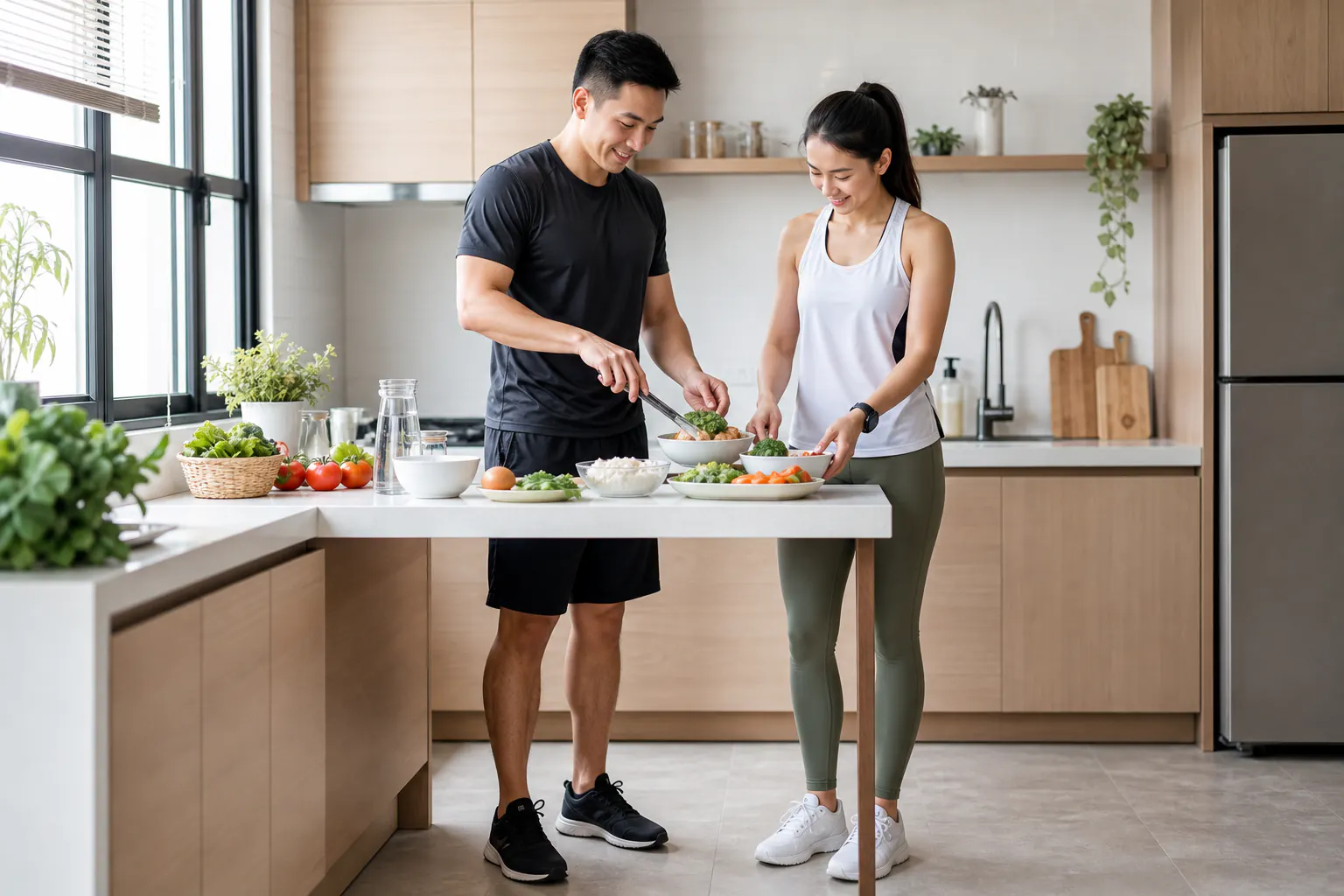
Compare pea protein vs whey protein for muscle building, digestion, and value. An honest breakdown for Malaysian gym-goers with local pricing included.
Five years ago, if you walked into a supplement shop in Malaysia, pea protein was not even on the shelf. Now it takes up an entire section at stores like GNC, Fitness Concept, and even appears at Guardian and Watsons. The rise of plant-based eating, lactose intolerance awareness, and halal concerns have pushed pea protein into the mainstream.
But is it actually as good as whey for building muscle? The honest answer is close but not quite - and the nuances matter.
Protein Quality: Amino Acid Profiles
Whey protein is a complete protein with an excellent amino acid profile. It contains high levels of all nine essential amino acids, particularly leucine - the primary driver of muscle protein synthesis. A typical 30g scoop of whey provides about 2.5-3g of leucine.
Pea protein is also technically complete, containing all essential amino acids. However, it is low in methionine and cysteine. Its leucine content is decent - about 1.8-2.2g per 30g scoop - but lower than whey.
This leucine difference matters. Research suggests a minimum threshold of about 2.5g of leucine per meal is needed to maximally stimulate muscle protein synthesis. Whey hits this threshold with a standard serving. With pea protein, you may need a slightly larger serving - 35-40g instead of 25-30g - to get the same stimulus.
Does This Affect Actual Muscle Growth?
A 2019 study published in the Journal of the International Society of Sports Nutrition compared pea protein to whey protein supplementation during a 12-week resistance training programme. The result: no significant difference in muscle thickness, strength, or body composition between groups.
The study used 50g servings of each protein, which likely compensated for pea protein's lower leucine content. Practical takeaway - if you use slightly more pea protein per serving, results are comparable.
Digestion and Gut Comfort
This is where things get interesting for Malaysian lifters. Lactose intolerance is extremely common in Southeast Asia - estimates suggest 80 to 95 percent of Malaysian adults have some degree of lactose malabsorption.
Whey protein concentrate contains lactose. If you get bloating, gas, or stomach cramps after drinking a whey shake, lactose is likely the culprit. Whey protein isolate has most of the lactose removed and is usually tolerable even for lactose-sensitive people. But whey isolate costs more - typically RM180-250 per kilogram in Malaysia compared to RM120-180 for concentrate.
Pea protein is naturally lactose-free, dairy-free, and generally easier on the gut. Most people digest it without any issues. The main complaint is the slightly gritty texture compared to whey - pea protein does not blend as smoothly, especially in water.
Taste and Mixability
Let me be straight with you. Whey tastes better. Most whey proteins mix into a smooth, milkshake-like consistency. Pea protein, even the better brands, has an earthy flavour and slightly chalky texture.
That said, pea protein has improved dramatically. Brands like MyProtein, Sunwarrior, and local options like Nuzest have developed flavoured pea proteins that are perfectly drinkable. Chocolate and vanilla flavours mask the earthy taste well.
Mixing tip: blend pea protein with frozen banana and a tablespoon of peanut butter. This completely changes the texture and creates something that actually tastes good. Add some local ingredients - a handful of ice and some canned coconut milk - and you have a tropical shake.
Price Comparison in Malaysia
Here is what you will pay at Malaysian supplement retailers:
| Product | Price per kg | Protein per serving |
|---|---|---|
| Optimum Nutrition Gold Standard Whey | RM200-230 | 24g per 30g scoop |
| MyProtein Impact Whey | RM140-170 | 21g per 25g scoop |
| MyProtein Pea Protein | RM100-130 | 21g per 30g scoop |
| Nuzest Clean Lean Protein (Pea) | RM220-260 | 20g per 25g scoop |
| Sunwarrior Classic Protein (Pea) | RM180-220 | 16g per 25g scoop |
Per gram of protein, mid-range pea protein is actually cheaper than whey. But premium pea protein brands cost about the same as whey.
Halal Considerations
For Muslim lifters in Malaysia, protein supplementation comes with halal compliance concerns. Most major whey protein brands sold in Malaysia - Optimum Nutrition, MuscleTech, MyProtein - do not carry JAKIM halal certification, though many have halal certifications from other recognised bodies.
Pea protein sidesteps this issue entirely. It is plant-derived with no animal-sourced ingredients. No cross-contamination concerns with porcine enzymes. For lifters who want zero doubt about their supplement's halal status, pea protein is the straightforward choice.
Local brands like Trueprotein.com.my and some options on Shopee specifically carry JAKIM certification - worth looking into if this matters to you.
When to Choose Whey
Pick whey protein if:
- You digest dairy without issues
- You want the best-tasting protein shake with minimal effort
- You prioritise maximum leucine content per serving
- You are on a tight budget and can find good deals on MyProtein or Shopee during sales (11.11 and 12.12 sales can drop prices by 30-40 percent)
When to Choose Pea Protein
Pick pea protein if:
- You are lactose intolerant or dairy-sensitive
- Halal certification without any ambiguity is important to you
- You follow a vegetarian or vegan diet
- You get acne breakouts from dairy (this is more common than people realise)
- You want a protein with minimal processing
Can You Mix Pea and Rice Protein?
Yes, and this is actually the best plant-based approach. Pea protein is low in methionine but high in lysine. Rice protein is the opposite - low in lysine, high in methionine. Combining them in a 70:30 ratio (pea to rice) creates an amino acid profile that closely mirrors whey.
Several brands sell pre-mixed pea-rice blends. Or you can buy both separately and mix your own. A 25g scoop of pea protein plus a 10g scoop of rice protein gives you a well-rounded 30g serving.
Practical Recommendations
For most Malaysian lifters, here is what I suggest:
If money is tight and digestion is fine: MyProtein Impact Whey. Wait for a sale and stock up. You can often get 2.5kg bags for under RM150 during promotional periods.
If digestion is an issue or halal compliance matters: MyProtein Pea Protein or a local JAKIM-certified option. Use 35-40g per serving instead of 25-30g to match whey's leucine content.
If you want the best of both worlds: Use whey post-workout (when fast absorption matters most) and pea protein in smoothies, baking, or as a meal supplement at other times.
At the end of the day, your total daily protein intake matters far more than the source. Whether you get your 1.6-2.2g per kilogram of body weight from whey, pea, chicken, tempeh, or eggs - your muscles do not care about the label on the container. They care about getting enough amino acids consistently, day after day.
Related Articles
Find a Personal Trainer
Ready to put this into practice? Connect with a certified personal trainer near you, or explore by service and goal.