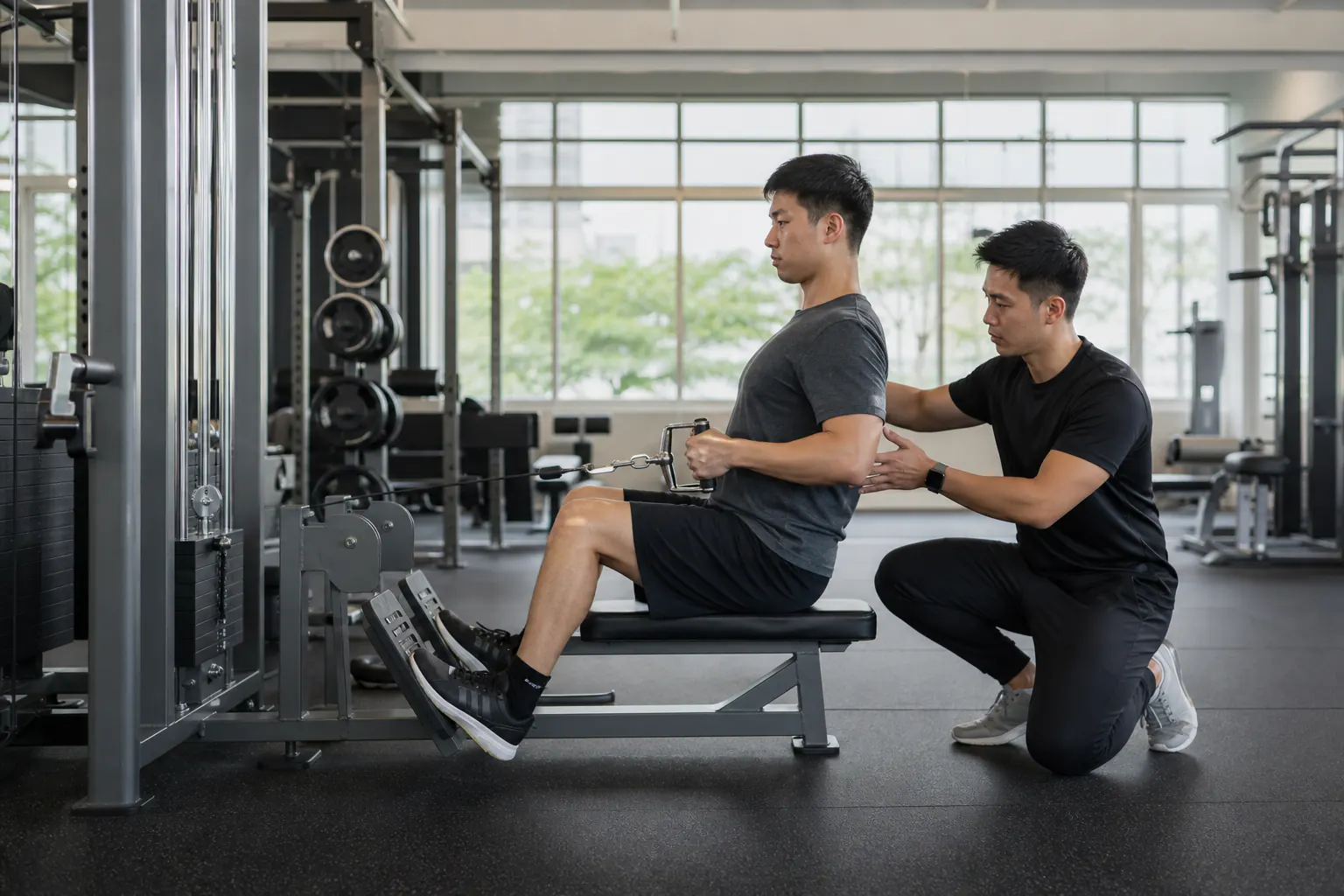
The optimal rep range for muscle growth is wider than you think. Research shows hypertrophy occurs from 5-30 reps when taken close to failure.
Ask any gym-goer the best rep range for muscle growth and they will say 8-12 reps. This has been fitness gospel for decades. But the research from the past 10 years tells a different story - one that gives you much more flexibility in how you train.
What the Research Actually Shows
A landmark 2017 meta-analysis by Schoenfeld et al. compared low-rep (1-5), moderate-rep (6-12), and high-rep (13-40+) training for hypertrophy. The findings: all three rep ranges produce similar muscle growth when sets are taken close to failure and total volume is equated.
Read that again. Sets of 5 grow muscle. Sets of 12 grow muscle. Sets of 25 grow muscle. The rep range matters less than two critical factors: proximity to failure and total volume.
Why the 8-12 Range Became Popular
The 8-12 range is not wrong - it is just not uniquely optimal. It became popular because:
- It is a practical sweet spot. Heavy enough to create mechanical tension (a primary growth driver), light enough to accumulate meaningful volume without excessive joint stress.
- It produces a visible pump, which feels productive even if pump is not a reliable growth indicator.
- It was promoted in bodybuilding magazines for decades without anyone questioning the original basis.
The Practical Implications
Use multiple rep ranges
Rather than locking yourself into 8-12 for everything, use a range of rep ranges across your programme:
Heavy compound work (4-6 reps): Squats, deadlifts, bench press, overhead press. These build strength and recruit high-threshold motor units. The strength gains improve your capacity for higher-volume work.
Moderate work (8-12 reps): Bread and butter for most exercises. A good balance of mechanical tension and metabolic stress. Works well for both compounds and isolation exercises.
High-rep work (15-25 reps): Excellent for isolation exercises, accessories, and exercises where heavy loading is impractical or risky. Lateral raises, leg extensions, calf raises, face pulls - these thrive at higher rep ranges.
The key variable: proximity to failure
Regardless of rep range, the set must be challenging. Stopping 3-4 reps short of failure produces minimal hypertrophy stimulus. Taking the set to within 1-3 reps of failure (RIR 1-3) is where the growth signal lives.
A set of 20 reps where you could have done 30 is a wasted set. A set of 20 reps where you could only manage 21-22 is a productive set.
Practical Programming
Per exercise: Pick ONE rep range and stick with it for 4-6 weeks before rotating to a different range. This provides a consistent training stimulus while allowing periodic variation.
Per session: Use a mix. Start with heavy compounds (4-6 reps), progress to moderate work (8-12 reps), and finish with high-rep isolation (15-25 reps). This structure maximises strength, hypertrophy, and metabolic stress within one session.
Example chest session using multiple rep ranges:
| Exercise | Sets | Reps | Purpose |
|---|---|---|---|
| Bench press | 4 | 5 | Strength |
| Incline dumbbell press | 3 | 10 | Hypertrophy |
| Cable fly | 3 | 15 | Metabolic stress |
What About Sets of 30+?
Research shows even 30-rep sets produce hypertrophy if taken to failure. However, the discomfort of 30+ rep sets to failure is extreme - the burning and cardiovascular demand are significant. Most people do not actually reach true failure at very high reps because the pain causes them to stop prematurely.
For practical purposes, keeping most of your work in the 5-25 rep range covers all the hypertrophy bases without the extreme discomfort of 30+ rep failure sets.
Stop Counting Reps - Start Training Hard
The debate about optimal rep ranges distracts from what actually matters: training hard, progressively overloading, and recovering adequately. Whether you do 6 reps or 15 reps, if you push close to failure and add weight or reps over time, your muscles will grow.
Pick rep ranges that suit each exercise, train with genuine effort, and progress the numbers. That is hypertrophy training in its entirety.
Part of our comprehensive guide:
The Complete Guide to Personal Training Methods in Malaysia→Also in this series:
Related Articles
Find a Personal Trainer
Ready to put this into practice? Connect with a certified personal trainer near you, or explore by service and goal.