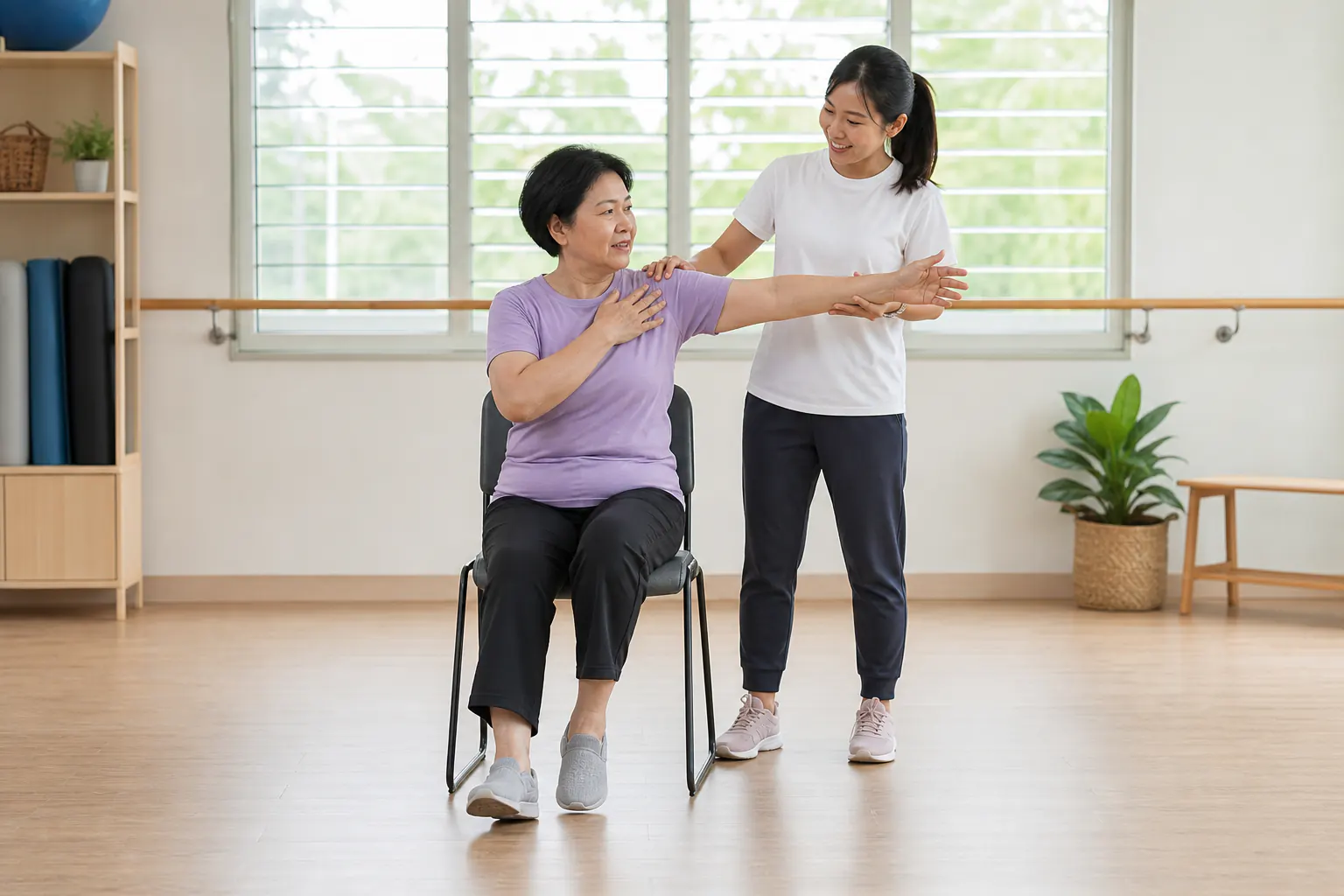
Learn effective ACL injury prevention exercises to protect your knees during sports and training.
The anterior cruciate ligament is one of the most commonly injured structures in the knee, especially among athletes who play futsal, badminton, and basketball - all hugely popular in Malaysia. An ACL tear can sideline you for six to nine months and cost thousands of ringgit in surgery and rehabilitation. The good news is that many ACL injuries are preventable with the right training approach.
Why ACL Injuries Happen
Most ACL tears occur during non-contact situations. You land from a jump with your knee caving inward, you plant your foot and twist, or you decelerate too quickly. Poor neuromuscular control, weak glutes, and tight hip flexors all contribute to these risky movement patterns. Understanding these causes is the first step toward prevention.
The Role of Neuromuscular Training
Research consistently shows that neuromuscular training programmes reduce ACL injury rates by 50 to 70 percent. These programmes teach your muscles to fire in the correct sequence, keeping your knee stable during rapid changes of direction. A qualified personal trainer can assess your movement patterns and identify specific weaknesses to address.
Essential Prevention Exercises
Single-Leg Balance Work
Stand on one leg for 30 seconds at a time. Progress to doing it on an unstable surface like a folded towel or balance pad. This trains the small stabiliser muscles around your knee and ankle to react quickly. Perform three sets on each leg during your warm-up.
Box Jumps with Controlled Landing
Jump onto a 30 to 45 centimetre box and step down. Focus entirely on landing softly with your knees tracking over your toes, not collapsing inward. Once you can land consistently well, progress to jump-downs where you step off the box and land on both feet.
Lateral Band Walks
Place a resistance band around your ankles and walk sideways for 15 steps in each direction. Keep your feet parallel and your hips level. This targets the gluteus medius, a muscle critical for preventing knee valgus - the inward collapse that tears the ACL.
Nordic Hamstring Curls
Kneel on a padded surface with a partner holding your ankles. Slowly lower your body forward, controlling the descent with your hamstrings. This exercise has been shown in multiple studies to reduce hamstring injuries by up to 51 percent and also protects the ACL by improving the hamstring-to-quadricep strength ratio.
Single-Leg Romanian Deadlifts
Hold a dumbbell in one hand and hinge at the hip while standing on the opposite leg. Lower until your torso is nearly parallel to the ground, then return to standing. This builds hip stability and hamstring strength simultaneously. Three sets of eight repetitions per leg works well for most people.
Programming Your Prevention Routine
Incorporate these exercises two to three times per week, ideally before your main training session as part of an extended warm-up. The entire routine takes about 15 minutes. Consistency matters far more than intensity here - doing these exercises regularly creates lasting neuromuscular adaptations.
When to Seek Professional Help
If you experience any clicking, giving way, or swelling in your knee, stop training and consult a sports physiotherapist. In Malaysia, many physiotherapy clinics in KL, Penang, and JB offer sports-specific assessments. A personal trainer with injury prevention credentials can also help you modify your training programme while you address any existing issues.
Playing It Smart on the Field
Prevention extends beyond the gym. Wear appropriate footwear for your sport, warm up thoroughly before every session, and avoid playing through fatigue when your muscles can no longer protect your joints. Malaysian weather means you often train in heat, which accelerates fatigue - adjust your intensity accordingly.
Part of our comprehensive guide:
Recovery and Injury Prevention: Build Durability Into Your Training→Also in this series:
Related Articles
Find a Personal Trainer
Ready to put this into practice? Connect with a certified personal trainer near you, or explore by service and goal.