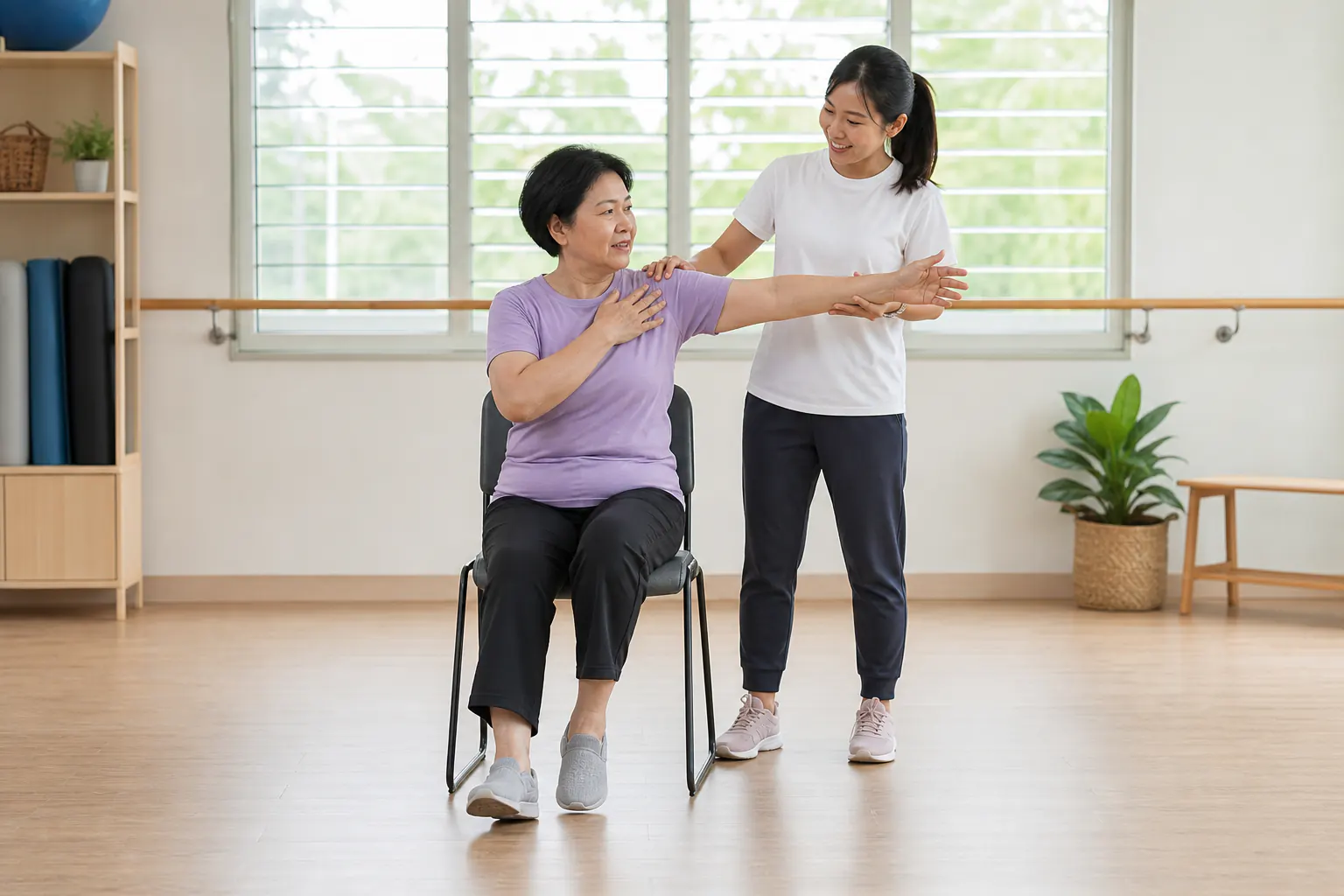
Exercise is the most effective way to improve insulin sensitivity. How it works, which exercises help most, and why it matters in Malaysia.
Malaysia has one of the highest diabetes and prediabetes rates in Asia. Nearly 50% of Malaysian adults have impaired blood sugar regulation. At the root of this epidemic is insulin resistance - a condition where your cells stop responding properly to insulin, causing blood sugar to remain elevated.
Exercise is the single most effective intervention for improving insulin sensitivity. More effective than most medications. Completely free. No side effects (except looking and feeling better).
What Is Insulin Sensitivity?
Insulin is the hormone that signals your cells to absorb glucose from the blood. When you eat carbohydrates, your blood sugar rises, your pancreas releases insulin, and insulin tells your muscle, liver, and fat cells to take in that glucose.
Insulin sensitive: Your cells respond quickly and efficiently to insulin. Small amounts of insulin clear glucose from the blood effectively. Blood sugar stays within healthy ranges.
Insulin resistant: Your cells are sluggish in responding to insulin. Your pancreas must produce more insulin to achieve the same glucose clearance. Blood sugar stays elevated for longer. Over time, the pancreas cannot keep up, blood sugar rises chronically, and Type 2 diabetes develops.
How Exercise Improves Insulin Sensitivity
During exercise
Working muscles absorb glucose directly from the blood without requiring insulin. This insulin-independent glucose uptake lowers blood sugar immediately during and after exercise. One session of moderate exercise can lower blood sugar by 2-3 mmol/L.
After exercise (the afterburn)
For 24-72 hours after a single exercise session, your muscles remain more sensitive to insulin. They refill their glycogen stores, actively pulling glucose from the blood with less insulin needed. Regular exercise creates a cumulative effect - each session resets the sensitivity clock.
Long-term adaptations
Chronic exercise training increases the number of GLUT4 transporters in your muscle cells - the molecular channels that insulin uses to move glucose inside cells. More GLUT4 means more capacity to absorb glucose, meaning your existing insulin works better.
Exercise also increases mitochondrial density and enzyme activity within muscle cells, improving their ability to oxidise glucose and fatty acids. Better cellular machinery means more efficient fuel use.
Muscle mass effect
Muscle tissue is your body's largest glucose sink. Building more muscle through resistance training creates more storage capacity for glucose, fundamentally improving your body's ability to manage blood sugar. A person with 40 kg of muscle can store significantly more glycogen than a person with 25 kg of muscle.
Which Exercises Help Most?
Resistance training
The most effective for long-term insulin sensitivity improvement. Building muscle creates permanent structural changes in glucose handling capacity. Studies show resistance training alone can reduce HbA1c by 0.5-0.7% - comparable to some diabetes medications.
Minimum dose: 2 sessions per week, covering all major muscle groups. Compound movements (squats, rows, presses, deadlifts) are most effective because they recruit the most muscle mass.
Aerobic exercise
Walking, cycling, swimming, and running all improve insulin sensitivity. The effect is acute - each session improves sensitivity for 24-48 hours. For sustained benefit, you need regular aerobic exercise (at least 150 minutes per week).
Combination (best approach)
Research consistently shows that combining resistance training and aerobic exercise produces greater insulin sensitivity improvement than either alone. The ideal programme includes both.
Post-meal walking
Walking for 10-15 minutes after meals is one of the simplest, most effective blood sugar management strategies. It redirects glucose from the blood into working muscles, blunting the post-meal glucose spike. In Malaysia, where meals are often high-glycaemic (rice, noodles, roti), post-meal walks are particularly beneficial.
The Malaysian Context
Why this matters here
Malaysia's food environment is carbohydrate-dominant. Nasi lemak, roti canai, nasi kandar, char kuey teow - these staples deliver high glycaemic loads. Combined with sedentary lifestyles (desk work, car commuting, minimal physical activity), the insulin resistance epidemic is unsurprising.
Exercise does not mean you need to eliminate these foods. It means your body develops the capacity to handle them. An insulin-sensitive person can eat nasi lemak and clear the glucose efficiently. An insulin-resistant person eating the same meal experiences prolonged elevated blood sugar that damages blood vessels, nerves, and organs over years.
Practical implementation
Walk after meals. A 10-minute walk after lunch and dinner. This is the lowest-barrier intervention with meaningful impact.
Lift weights twice a week. Join a gym, hire a trainer for a few sessions to learn the basics, and train consistently. The muscle you build is your permanent glucose management system.
Move throughout the day. Stand up from your desk every 30 minutes. Take stairs instead of lifts. Park further from the entrance. Small movements throughout the day maintain insulin sensitivity better than a single intense session followed by 12 hours of sitting.
Testing Your Insulin Sensitivity
Fasting glucose: Available at any clinic or lab. Under 5.6 mmol/L is normal.
HbA1c: Reflects average blood sugar over 3 months. Under 5.7% is normal. 5.7-6.4% is prediabetic.
Fasting insulin: Less commonly tested but reveals insulin resistance before blood sugar rises. Your doctor can order this.
HOMA-IR: Calculated from fasting glucose and fasting insulin. Under 1.0 is optimal. Above 2.5 suggests significant insulin resistance.
Get tested annually, especially if you have a family history of diabetes or carry excess abdominal fat. Early detection of insulin resistance allows you to reverse it through exercise and nutrition before it progresses to diabetes.
Related Articles
Find a Personal Trainer
Ready to put this into practice? Connect with a certified personal trainer near you, or explore by service and goal.