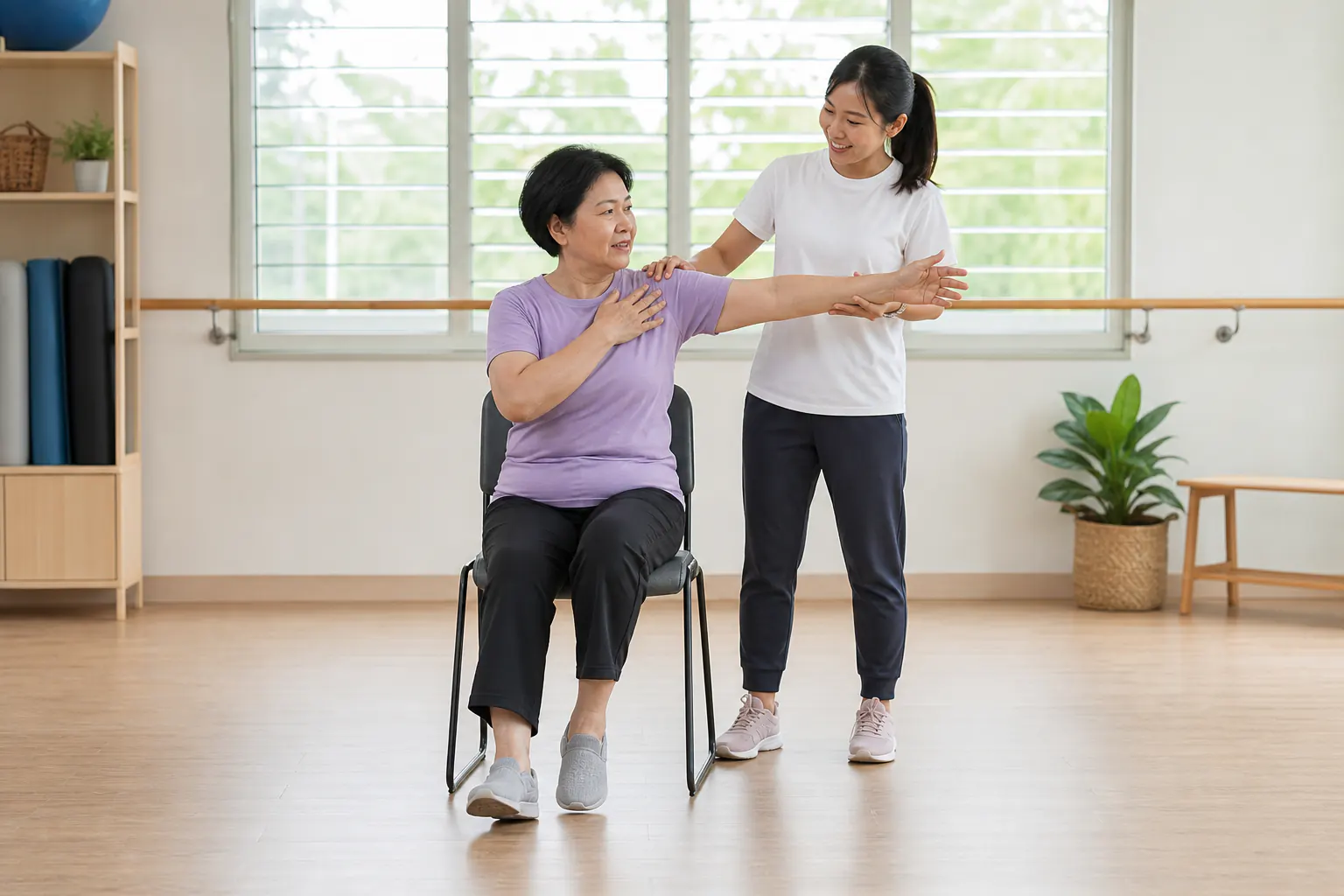
A comprehensive guide to recovering from a hamstring strain. Learn the rehabilitation exercises, timelines, and strategies Malaysian athletes need to return.
A hamstring strain can strike without warning - one moment you are sprinting on the futsal court, the next you feel a sharp grab at the back of your thigh. Hamstring injuries account for a significant portion of muscle injuries in sports, and they have a frustrating tendency to recur if rehabilitation is incomplete. Understanding the recovery process thoroughly is your best defence against re-injury.
How Hamstring Strains Occur
The hamstring muscle group consists of three muscles running along the back of your thigh. Strains typically happen during explosive movements like sprinting, kicking, or lunging when the muscle is rapidly stretched while contracting. Risk factors include previous hamstring injury, tight hip flexors, weak glutes, poor warm-up habits, and muscle fatigue from overtraining.
Grading Your Strain
A Grade 1 strain involves minor tearing of a few muscle fibres with mild pain and minimal loss of strength. Grade 2 involves a more significant partial tear with moderate pain, swelling, and noticeable weakness. Grade 3 is a complete tear or avulsion that may require surgical intervention. Most recreational athletes in Malaysia experience Grade 1 or 2 strains.
Acute Management (First 72 Hours)
Avoid stretching the hamstring in the acute phase - this can worsen the tear. Instead, use gentle compression, elevate the leg when possible, and avoid activities that provoke pain. Light walking is encouraged as long as you can do so without limping. If walking is painful, use crutches temporarily to maintain a normal gait pattern.
Early Rehabilitation (Days 3 to 14)
Isometric Hamstring Holds
Lie on your back with your heel on a chair. Press your heel down gently into the chair surface, engaging the hamstring without moving the joint. Hold for 10 seconds, rest, and repeat 10 times. This builds early strength without risking further tearing.
Gentle Hip Hinging
Stand and hinge forward at the hips with a slight knee bend, stopping before you feel any stretch at the injury site. This movement pattern is fundamental to hamstring function and maintaining it during recovery prevents compensatory movement patterns.
Glute Bridges
Lie on your back with knees bent and feet flat. Lift your hips until your body forms a straight line from shoulders to knees. This activates the glutes and gently engages the hamstrings in a shortened, protected position. Three sets of 12 repetitions is a good starting point.
Progressive Loading (Weeks 2 to 6)
Nordic Hamstring Curls (Modified)
Begin with the eccentric portion only, lowering yourself forward as slowly as possible from a kneeling position. Use your hands to catch yourself at the bottom. Start with three repetitions and build gradually. This exercise is the gold standard for hamstring injury prevention and rehabilitation.
Single-Leg Romanian Deadlifts
Using a light dumbbell, hinge at the hip on the injured leg while extending the opposite leg behind you. This loads the hamstring through its full functional range. Progress the weight slowly - form is everything.
Slider Leg Curls
Lie on your back with your heel on a slider or towel on a smooth floor. Slide your foot out to extend the leg, then curl it back. This provides eccentric and concentric hamstring loading in a controlled environment.
Return to Running Protocol
Do not rush back to sprinting. Begin with walking, progress to fast walking, then light jogging at 50 percent effort. Over two to three weeks, gradually increase your pace until you can sprint at full speed without pain or apprehension. A personal trainer or physiotherapist in Malaysia can guide you through specific return-to-sport testing.
Long-Term Prevention
After returning to full activity, maintain a hamstring strengthening programme at least twice weekly. The Nordic curl should become a permanent fixture in your routine. Address hip flexor tightness and glute weakness as part of your overall training. These factors contributed to the original injury and will cause recurrence if left unaddressed.
Working with Professionals
Consider engaging a personal trainer who has experience with injury rehabilitation. Many trainers in KL, Penang, and JB collaborate with physiotherapists to provide comprehensive recovery support. The investment in proper rehabilitation pays for itself by preventing the lost training time and medical costs of re-injury.
Part of our comprehensive guide:
Recovery and Injury Prevention: Build Durability Into Your Training→Also in this series:
Related Articles
Find a Personal Trainer
Ready to put this into practice? Connect with a certified personal trainer near you, or explore by service and goal.