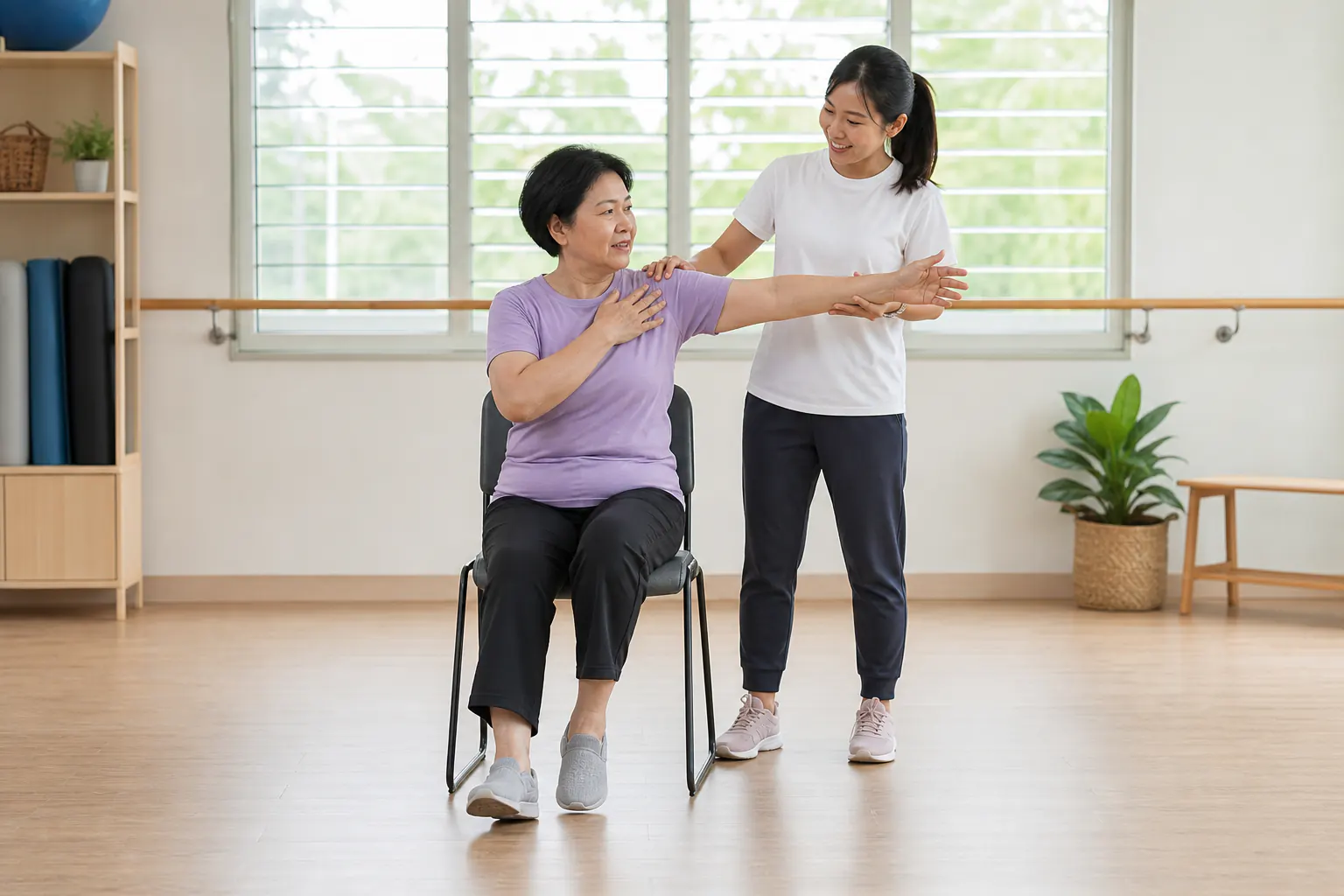
Discover how regular exercise combats aging at the cellular level. Science-backed strategies for Malaysian adults to stay fit and youthful at any age.
Malaysia's population is aging rapidly. By 2030, we are projected to become an aged nation, with over 15 percent of the population above 60 years old. While we cannot stop the clock, science shows us that exercise is the closest thing we have to an anti-aging pill. It works at the cellular level, the hormonal level, and the functional level to keep you biologically younger than your chronological age.
Whether you are 35 or 65, the evidence is clear - it is never too late to start, and the benefits are profound.
How Exercise Fights Aging at the Cellular Level
Telomere Protection
Telomeres are the protective caps at the ends of your chromosomes, often compared to the plastic tips on shoelaces. They shorten with each cell division, and their length is considered a marker of biological aging. Research published in major journals shows that regular exercisers have significantly longer telomeres than sedentary individuals of the same age.
A landmark study found that adults who exercised regularly had a biological age advantage of roughly nine years compared to sedentary peers. The sweet spot appears to be moderate to vigorous exercise performed consistently, not extreme volumes.
Mitochondrial Health
Mitochondria are your cellular power plants, and they decline with age. This decline contributes to fatigue, muscle loss, and reduced metabolic rate. Resistance training and high-intensity interval training have been shown to reverse age-related mitochondrial decline, essentially rejuvenating your cells' energy production capacity.
Reduced Chronic Inflammation
Aging is associated with increased systemic inflammation, sometimes called inflammaging. Regular exercise produces anti-inflammatory molecules called myokines from working muscles. These counteract chronic inflammation and reduce your risk of age-related diseases.
The Four Pillars of Anti-Aging Exercise
Pillar 1: Resistance Training
Muscle loss, or sarcopenia, begins as early as your 30s and accelerates after 50. Without intervention, you can lose three to eight percent of your muscle mass per decade. This is not just about appearance - muscle loss leads to falls, fractures, metabolic dysfunction, and loss of independence.
Resistance training is the primary defence against sarcopenia. Aim for at least two sessions per week targeting all major muscle groups. Focus on compound movements like squats, deadlifts, presses, and rows. Even if you are starting at 60, research shows you can build significant muscle and strength.
In Malaysian gyms, you will find everything you need. If you prefer group settings, join a strength-based class at your local fitness centre. Many community centres and persatuan sukan now offer senior-friendly strength programs.
Pillar 2: Cardiovascular Training
Heart disease remains the leading cause of death in Malaysia. Regular cardiovascular exercise strengthens the heart, improves blood vessel elasticity, and reduces blood pressure. Aim for 150 minutes of moderate-intensity or 75 minutes of vigorous-intensity cardio per week.
Walking is perfectly valid. In fact, research shows that even brisk walking significantly reduces all-cause mortality. Take advantage of Malaysia's many walking paths - the parks around KLCC, Taman Botani in Penang, or waterfront walks in Kuching provide pleasant environments for regular walking.
Pillar 3: Flexibility and Mobility
Joint stiffness and reduced range of motion are hallmarks of aging but are not inevitable. Regular stretching and mobility work maintain the elasticity of your connective tissues. Yoga, tai chi, and dedicated stretching routines all contribute.
Malaysia's warm climate is actually advantageous here. Warm muscles and joints are more pliable, making flexibility training more effective than in cold environments. Many community centres and parks across Malaysia host free or affordable tai chi and yoga sessions in the morning.
Pillar 4: Balance and Coordination
Falls are a leading cause of injury and loss of independence in older adults. Balance training should be a non-negotiable part of any anti-aging exercise program. Simple single-leg stands, tandem walking, and stability ball exercises can dramatically reduce fall risk.
Exercise and Brain Health
One of the most exciting areas of anti-aging research is the effect of exercise on the brain. Physical activity stimulates the production of brain-derived neurotrophic factor, or BDNF, which promotes the growth of new brain cells and strengthens connections between existing ones.
Regular exercisers show better memory, faster processing speed, and significantly lower rates of dementia and Alzheimer's disease. Aerobic exercise appears particularly powerful for brain health, but resistance training also shows meaningful cognitive benefits.
For Malaysia's aging population, where dementia rates are rising, this alone should be motivation to stay active.
Hormonal Benefits
Exercise helps maintain healthy levels of critical hormones that decline with age. Resistance training supports testosterone and growth hormone production in both men and women. Regular physical activity improves insulin sensitivity, reducing the risk of type 2 diabetes, which is alarmingly prevalent in Malaysia.
Exercise also improves sleep quality, which in turn supports the nightly release of growth hormone - your body's primary repair and recovery hormone.
Practical Programming for Malaysian Adults Over 40
A well-rounded weekly plan might include three days of resistance training for 30 to 45 minutes, two days of moderate cardio like brisk walking, swimming, or cycling for 30 to 45 minutes, daily mobility work for 10 to 15 minutes, and balance exercises integrated into warm-ups.
Adapt your training schedule to Malaysia's climate. Early morning sessions before the heat peaks or evening workouts after sunset are ideal. If you prefer outdoor training, many Malaysian parks have excellent public exercise equipment that is free to use.
Nutrition Supports the Process
Exercise alone is powerful, but combining it with good nutrition amplifies the anti-aging effects. Prioritise protein intake of 1.2 to 1.6 grams per kilogram of body weight to support muscle maintenance. Include antioxidant-rich foods abundant in the Malaysian diet - colourful fruits like papaya, guava, and dragon fruit, as well as vegetables and green tea.
Stay well hydrated in our tropical climate, and consider vitamin D supplementation, as many Malaysians are deficient despite our sunshine due to indoor lifestyles and sun avoidance.
It Is Never Too Late
The most important message is that it is genuinely never too late to start. Studies show that even people who begin exercising in their 70s experience significant improvements in muscle strength, cardiovascular health, cognitive function, and quality of life.
Start where you are. Walk more. Join a gym. Take up tai chi in the park. The fountain of youth does not exist, but the treadmill, the barbell, and a good pair of walking shoes come remarkably close.
Related Articles
Find a Personal Trainer
Ready to put this into practice? Connect with a certified personal trainer near you, or explore by service and goal.